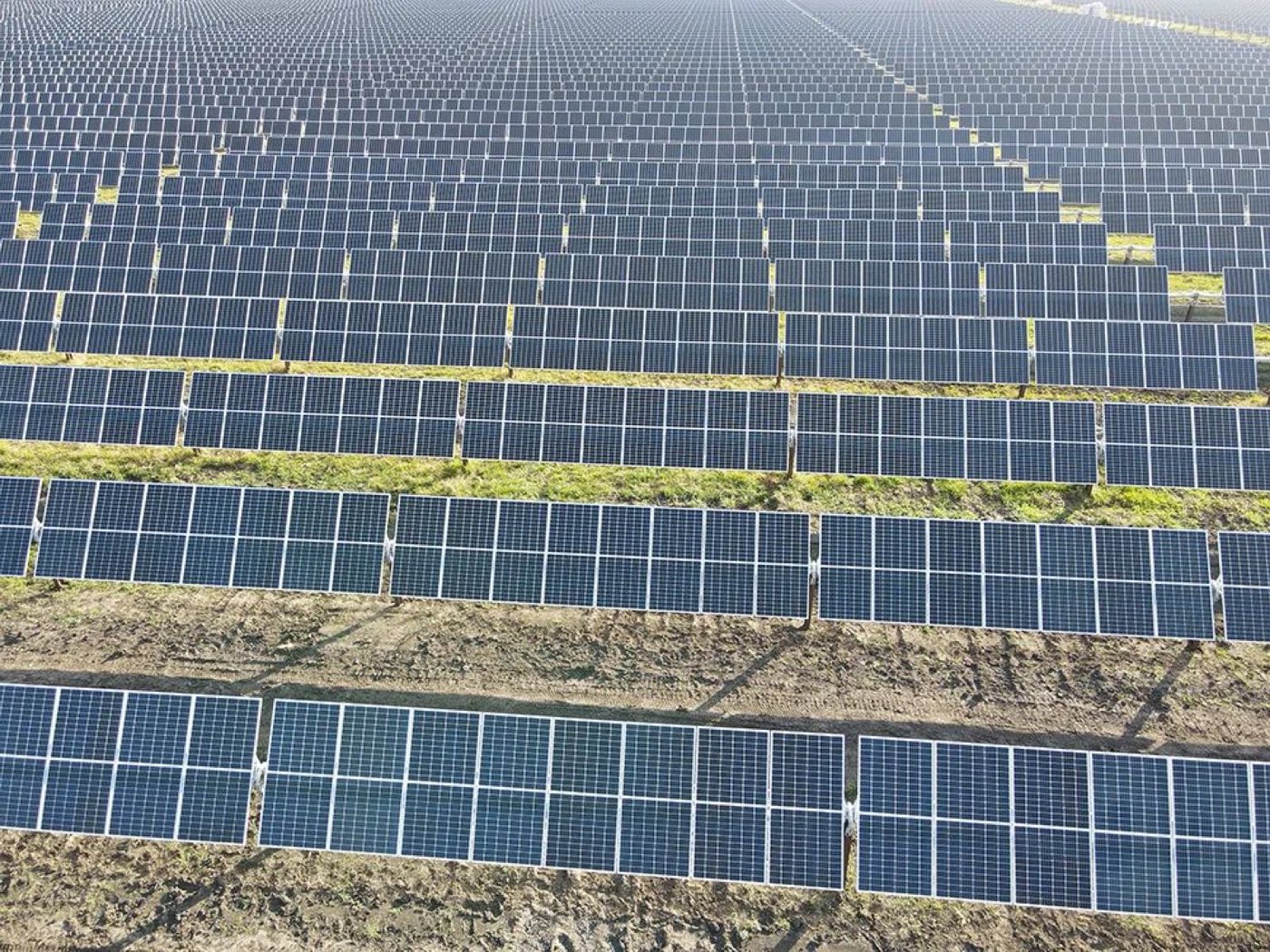
Close view of installed PV modules
Solutions

Four system types. One engineering standard.

Rooftop or ground, 3 kW or 10 MW — the design rules do not change. We size on your load, specify for your conditions, and build with our own crews.

Pick your track

What we design and install.

If your site does not fit one of these, send it anyway. Most projects are a mix — a roof plus a carport, or PV with a battery for the night shift.

A

Commercial & industrial

Factories, warehouses, cold stores, hotels, hospitals, schools and office buildings. Usually a mix of self-consumption and export, with the array sized to the daytime load rather than the roof area.

  • Typical size: 100 kW – 10 MW
  • Roof types: metal sheet, concrete, tile, car park canopy
  • Grid: behind-the-meter, export-limited or full export
  • Mounting: rail, ballast, elevated or carport
  • Option: battery for peak shaving or backup
B

Residential

One roof, one bill. The system is sized to annual consumption and the local export rule, with the inverter placed where it can be serviced and the cable route planned before anything is drilled.

  • Typical size: 3 – 20 kW
  • Roof types: pitched tile, metal, flat concrete
  • Grid: net metering, self-consumption or off-grid hybrid
  • Handover: monitoring app, as-built drawings, warranty pack
C

Ground-mount

Owned or leased land from one to twenty megawatts. Fixed or adjustable mounting, with the same survey, drainage and access discipline we apply on utility-scale sites.

  • Typical size: 1 – 20 MW
  • Mounting: fixed, fixed-adjustable, single-axis tracker
  • Terrain: flat, gently sloping, rocky or agrivoltaic
  • Scope: fencing, roads, drainage, MV collection
D

Hybrid & storage

For sites with a weak grid, a night load or a diesel bill worth removing. Battery capacity is sized from your load curve, not from the array size.

  • Typical size: 30 kWh – 5 MWh
  • Modes: self-consumption, peak shaving, backup, off-grid
  • Equipment: LFP racks, PCS, EMS, matching switchgear
  • Interface: grid-tied, with or without export
In every design

What you receive before a single panel is ordered.

Design is where the money is decided. A system that is 20% oversized, or wired for the wrong inverter, costs more every year of its life.

Load & yield study

Consumption profile, shading analysis, irradiance data and a modelled annual yield with the assumptions written down.

Layout & structural check

Module layout, walkways, fire setbacks, wind and snow loads, roof fixing detail or foundation type.

Electrical design

String sizing, single-line diagram, cable sizing and voltage drop, protection, earthing and surge arresters.

Bill of materials

Every line item with make, model, quantity and datasheet — the same list we buy from and you can price-check.

Programme

Order, ship, mobilise, install, commission. Dates, dependencies and the decisions we need from you, in one table.

Handover pack

As-built drawings, test records, commissioning report, warranty documents, monitoring access and O&M instructions.

Scope by stage

Where our work starts and stops.

Take the whole chain or one stage. Either way the boundary is written into the contract, not agreed on site.

StageWhat we doWhat you get
0 SurveyRoof or land inspection, access, shading, structural and grid conditions, consumption review.Site report with constraints and options.
1 DesignLayout, structural and electrical design, yield model, grid interface.Drawing set, calculations, bill of materials.
2 SupplySpecification, factory audit, pre-shipment inspection, consolidation.Equipment to site, with test and compliance documents.
3 LogisticsPacking, shipping documents, customs coordination, inland delivery.One shipment, one document set.
4 InstallMounting, modules, DC/AC wiring, communications, safety systems.Installed system, daily progress records.
5 CommissionTesting, insulation and earth checks, inverter and monitoring setup, grid acceptance support.Commissioning report and as-builts.
6 OperateInspection, cleaning, fault response, spares, remote monitoring, local team training.O&M plan, monthly performance reports.
Not in a standard design price: grid connection fees, utility upgrades, building permits, structural strengthening beyond the mounting scope, battery storage (unless quoted separately), and financing. We will flag any of these we find during the survey.
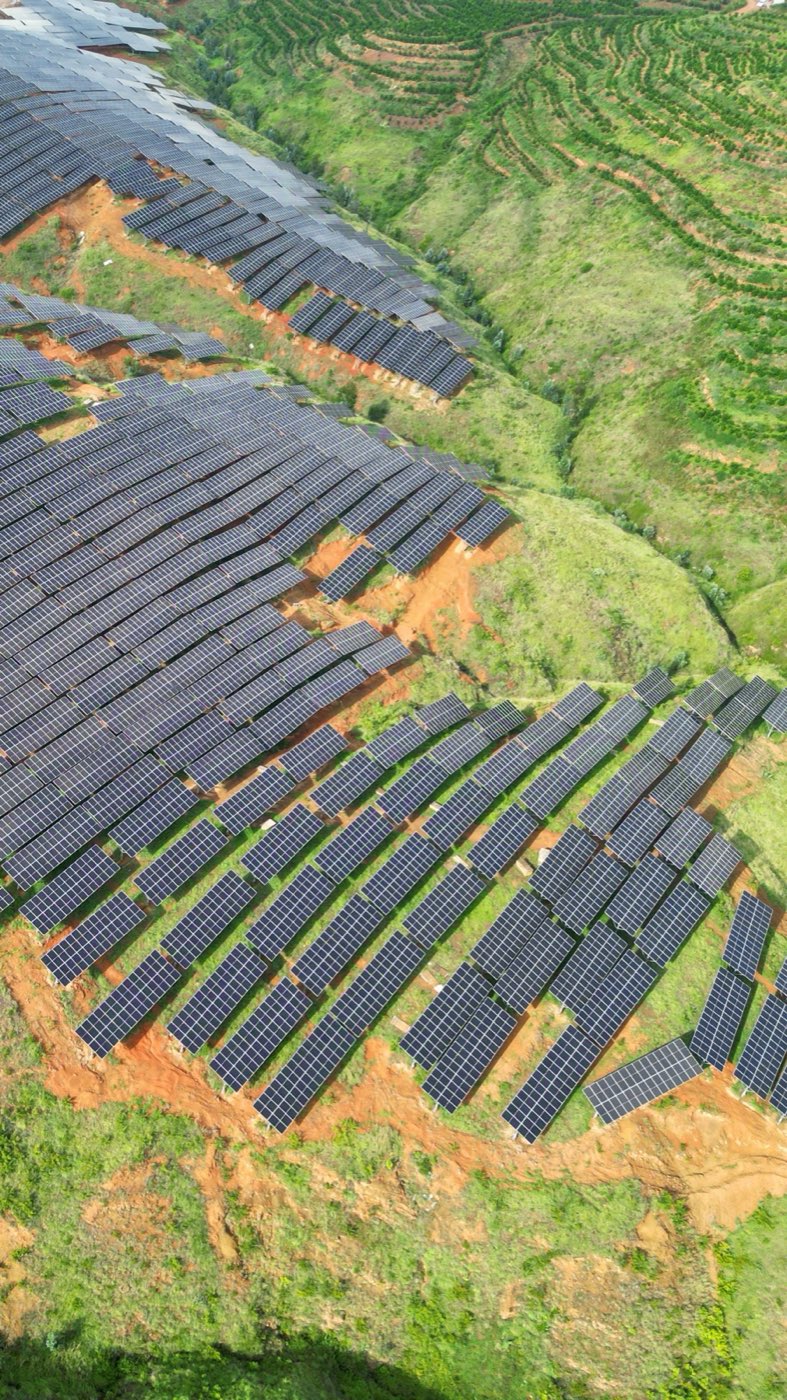
Aerial view of a mountain PV plant Utility-scale discipline, applied to a single roof
Why it matters

The small project gets the same method.

On a 150 MW site, one wrong string calculation is a multi-million-dollar problem. That habit does not switch off at 500 kW. Your roof gets a survey, a load study, a checked single-line diagram and a commissioning record — because that is how we have always worked.

  • No catalogue selling. We size to your load, not to the container we have in stock.
  • Cost known line by line. The BoM is open, and the installation price is built from our own crew rates.
  • One team on site. The people who designed the layout are the people accountable for installing it.

See how we contract

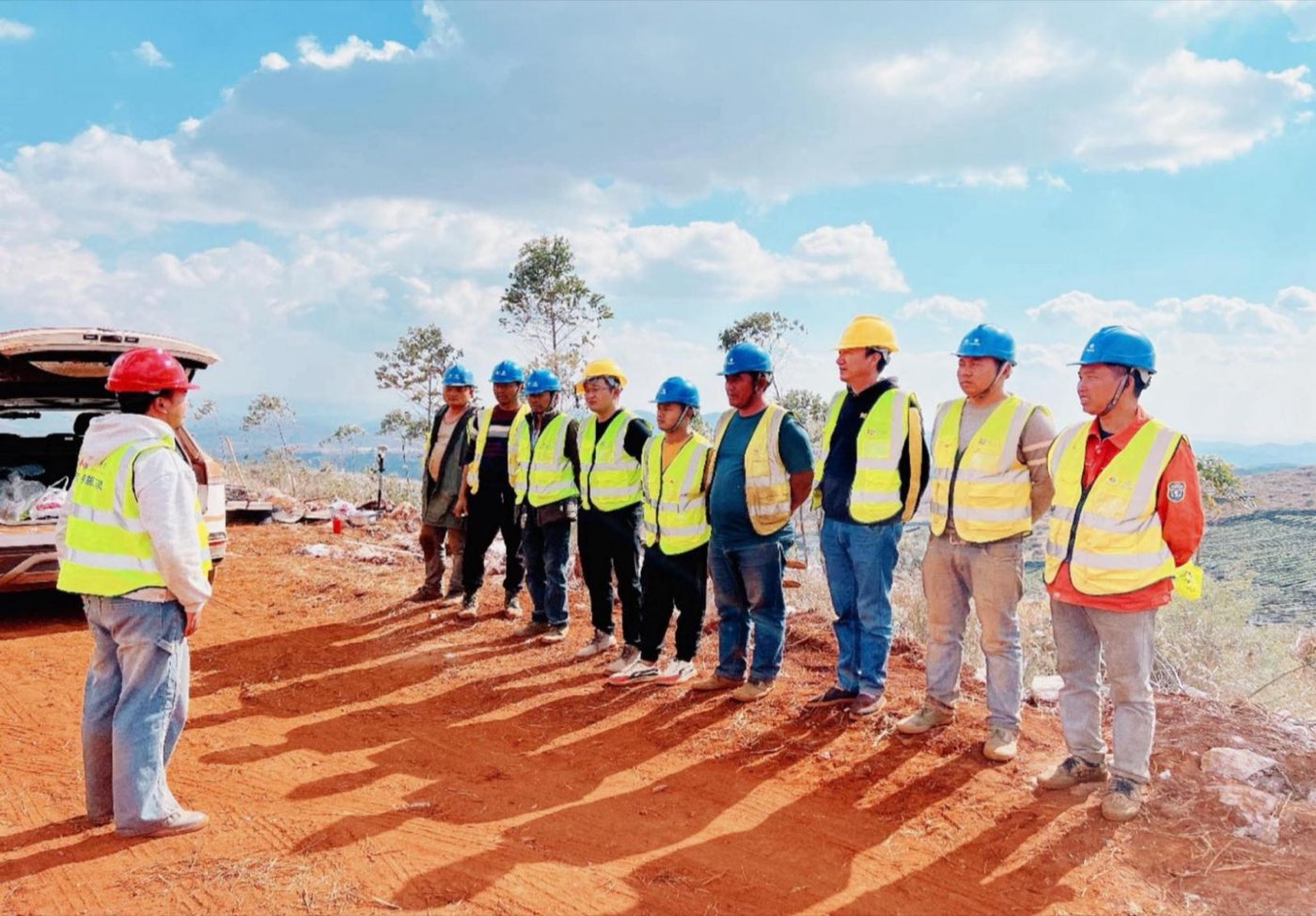
Site briefing at a PV construction project
Next step

Send your bill and your roof.

A photo of the roof or land, the monthly consumption, and the country is enough to start. We will tell you what size makes sense before we talk price.